
Shortage of new machinery: an opportunity for the second-hand market
23 April, 2026
Anyone who has been in the sector for some time knows that acquiring new machinery isn’t always as simple as choosing a model from a catalogue and waiting a few weeks. Recent years have taught us a clear lesson: supply chains for industrial equipment are more fragile than they appeared, and when they break down, the consequences are felt directly on site.
The good news is that this fragility has accelerated a transformation that was already underway: the second-hand machinery market has matured, become more professional and turned into a genuine alternative to buying new machinery, rather than just a stopgap solution.
Why there is a shortage of new machinery
To understand the opportunity, it is important first to understand the problem. The difficulty in accessing new equipment is not due to a single cause, but to a combination of factors that have permanently altered the market and which, today in 2026, have left a structural mark.
Semiconductors were the first major bottleneck. When global chip production was compromised, major brands had to drastically extend delivery times. Added to this was constant pressure on materials and global logistical instability. Armed conflicts and geopolitical tensions—which lead to border closures or disruptions to major trade routes—continue to cause spikes in uncertainty. As a result, base materials such as steel, aluminium and copper have experienced price and availability pressures that directly affect manufacturing costs.
However, the decisive factor has been the imbalance between this limited supply and growing demand. Increased investment in infrastructure and construction in many European markets, driven in part by recovery funds and renewable energy projects, has placed additional pressure on stocks that were already scarce. The result is a market for new machinery characterised by rising prices, long lead times and limited availability for many models and sizes, where manufacturers often prioritise orders with higher volumes or margins.
What this means for those who need equipment now
For a company with a project due to start in three months, a nine-month lead time for new machinery isn’t just an inconvenience: it’s an operational impossibility. The logical response of many companies to this obstacle has been to turn to the used equipment market.
What they have found there has surprised more than a few. The used machinery market in Europe has evolved significantly. It is no longer an opaque space where the buyer assumes all the risks and prays that the machine will last. There are specialised platforms with rigorous technical inspection processes, verified documentation, guarantees on critical systems and the ability to deliver within timeframes that new machinery simply cannot match.
The second-hand market as a strategy, not a fallback plan
This is where the most significant shift in mindset of recent years lies: many companies that entered the second-hand market out of necessity have decided to stay out of conviction.
When an operations manager realises that they can acquire reconditioned equipment within a few weeks, that the price is significantly lower than that of equivalent brand-new equipment, and that the residual value remains substantial after several years, their thinking changes. Second-hand equipment ceases to be an emergency option and becomes the most sensible technical and financial decision.
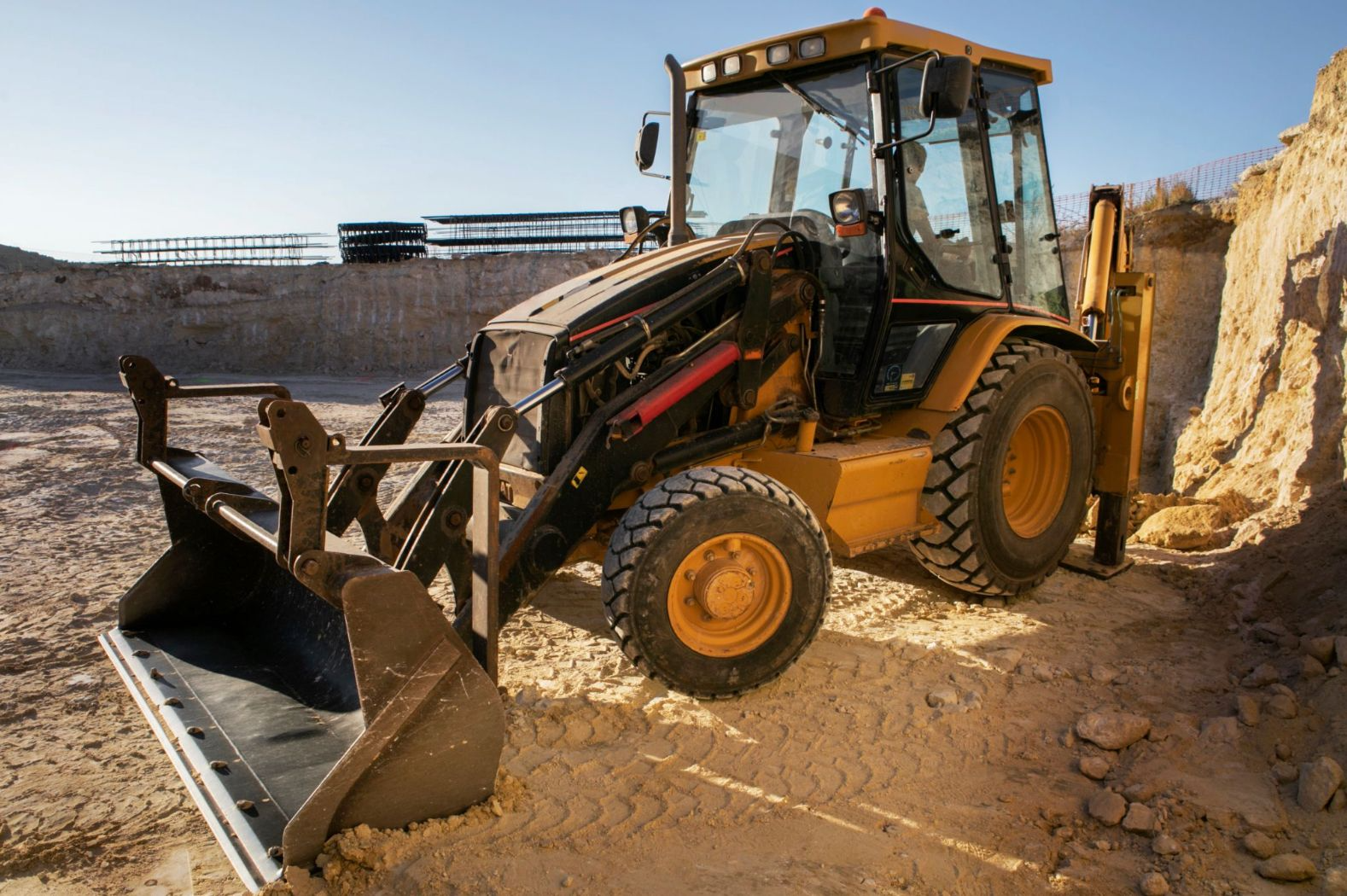
This trend is particularly pronounced in sectors such as earthmoving, aerial work platforms and compaction equipment, where the difference in investment compared to buying new machinery is substantial and the availability of reconditioned equipment is high.
The role of market professionalisation
This opportunity can only be fully realised if the second-hand market offers the guarantees that buyers demand. In this regard, the professionalisation of the sector has been the decisive factor.
A decade ago, buying used equipment involved accepting a considerable degree of technical uncertainty. Today, specialist platforms have changed the game. Equipment is inspected under strict protocols, its history is documented transparently, and the traceability of the reconditioning process allows the buyer to know exactly what level of reliability they are purchasing. It is this transparency that makes second-hand equipment a direct competitor to new machinery.
Prices: the paradoxical effect of scarcity
During periods of severe supply shortages, economic logic dictated that second-hand prices would skyrocket due to a lack of alternatives. And whilst there were price adjustments, the increase was considerably more moderate than in the market for brand-new equipment. The price differential between new and used equipment has remained and even widened in many segments, presenting the informed buyer with a real opportunity to optimise the profitability of their projects.
An opportunity that is here to stay
Some believe that the boom in the second-hand market is merely a temporary phenomenon and that, once production returns to normal, the market will revert to its historical patterns. This is an incomplete view. The disruption of recent years has merely accelerated a process that was already gaining momentum: the push towards a circular economy, more sophisticated financial analysis, and the technical professionalisation of intermediaries.
At CYCLICA, we have seen how companies that had never considered stepping outside the traditional circuit have incorporated reconditioned equipment into their fleets with excellent results. Market conditions and global logistics gave them the push, but technical reliability has given them the conviction. And that operational certainty, once demonstrated in practice, permanently transforms the way a machinery fleet is managed.